Rosa Barba – Elements of Conduct
18.2–14.5 2017
Rosa Barba’s medium is film, and her work relates in various ways to cinematic methods and genres. The narrative possibilities of film, play a significant role. This results in a range of experimental approaches in which all the constituent elements can interact and become meaningful—the images created, the sound, and the very technical apparatus of the film. Rosa Barba’s work does not confine different genres; rather, it gives the impression of dissolving them: here, documentary is mixed with fiction, myth with reality, real objects with text, so that the contours of history are traced through a poetic, non-linear time and through landscapes.
From analog film to installation
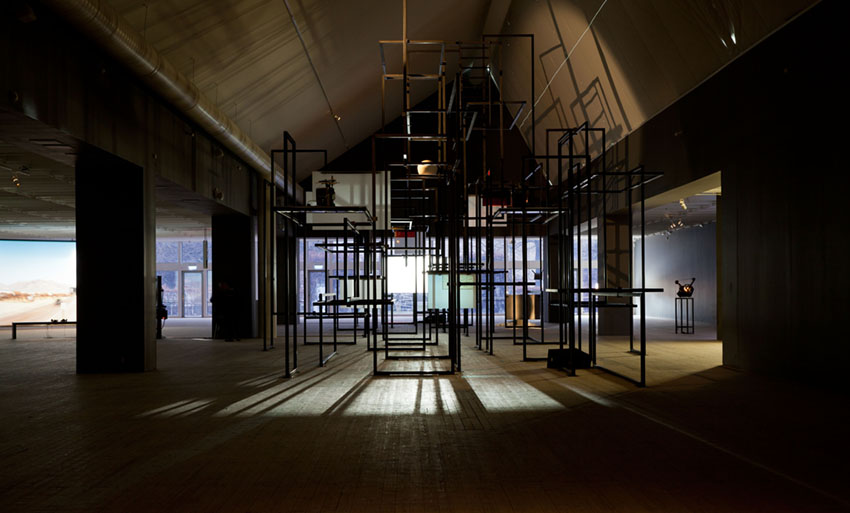
In the digital age, Rosa Barba further develops analog film, bringing it closer to sculpture and installation. In the exhibition, this is expressed, among other things, through a larger, centrally placed structure. This construction, “Blind Volumes”, serves as a platform and vertical stage for several works composed in a spatial layout. At the same time, it engages with the volume of the exhibition space and its distinctive architecture. “Blind Volumes”, whose title is inspired by Jorge Luis Borges’ short story “The Library of Babel”, functions both as a labyrinthine passage that guides visitors and as a container for the fictional possibilities and narratives that an invisible volume might be imagined to hold. This large-scale installation is flanked by several projected film works in different formats (70, 35, and 16 millimeters).
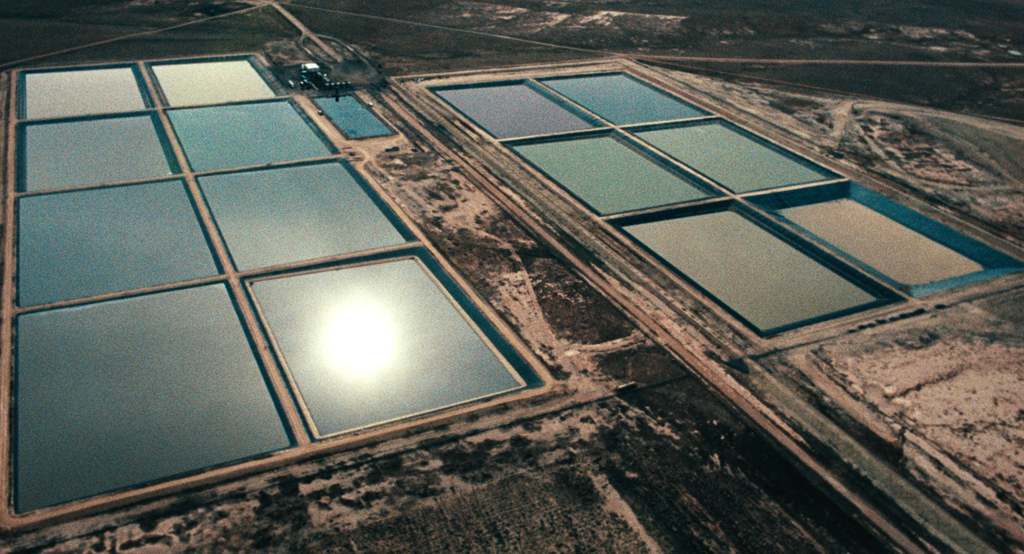
In the two film projections “Bending to Earth” (2015) and “From Source to Poem” (2016), Rosa Barba returns to landscapes and cultural contexts she has explored in several of her previous works. “Bending to Earth”, which was exhibited at the Venice Biennale in 2015, is filmed from the air and depicts a landscape in ruins—altered, poisoned, and forever impacted by human activity. “From Source to Poem”, her most recent work, portrays the origins and future of the Western world through cultural and industrial-historical perspectives preserved in the audiovisual archive of the U.S. Library of Congress. In both films, the dizzying visual sequences are interwoven with the artist’s fragmentary and synthetic sound collages.
Rosa Barba föddes i Agrigento på Sicilien 1972, och bor och verkar idag i Berlin. Hon har ställt ut separat på flera välkända konstinstitutioner som till exempel Tate Modern, London, Museo Nacional Centro de Arte Reina Sofía, Madrid, MoMA PS1, New York, MIT List Visual Arts Center, Cambridge MA, och Kunsthaus Zürich. Hennes verk har också visats på konstbiennaler och filmfestivaler över hela världen såsom Venedigbiennalen (2009 och 2015), Sydney-biennalen och Performa i New York.
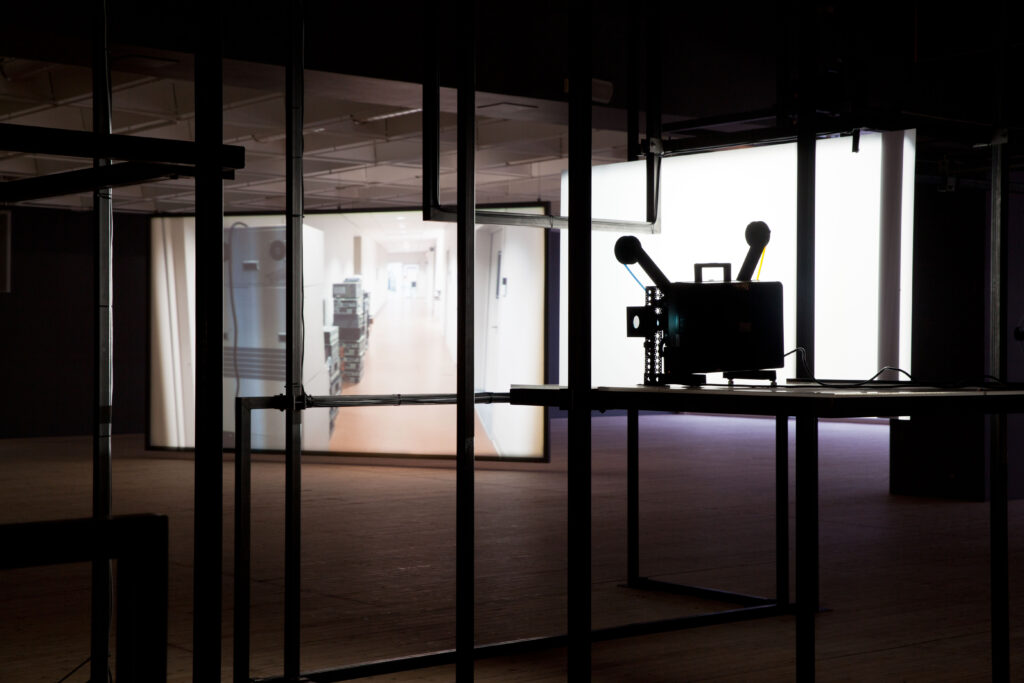
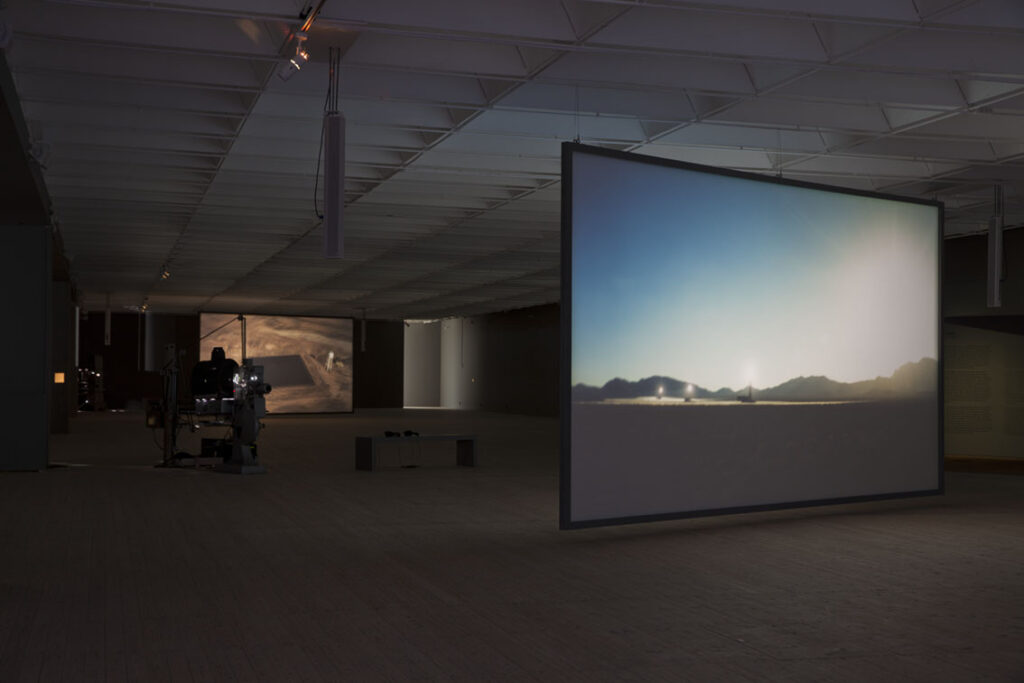
Foto: Helene Toresdotter